Soundraw vs. Suno: Which AI Music Generator Is Worth Your Money in 2026?
Updated: 2026-01-04 14:41:54
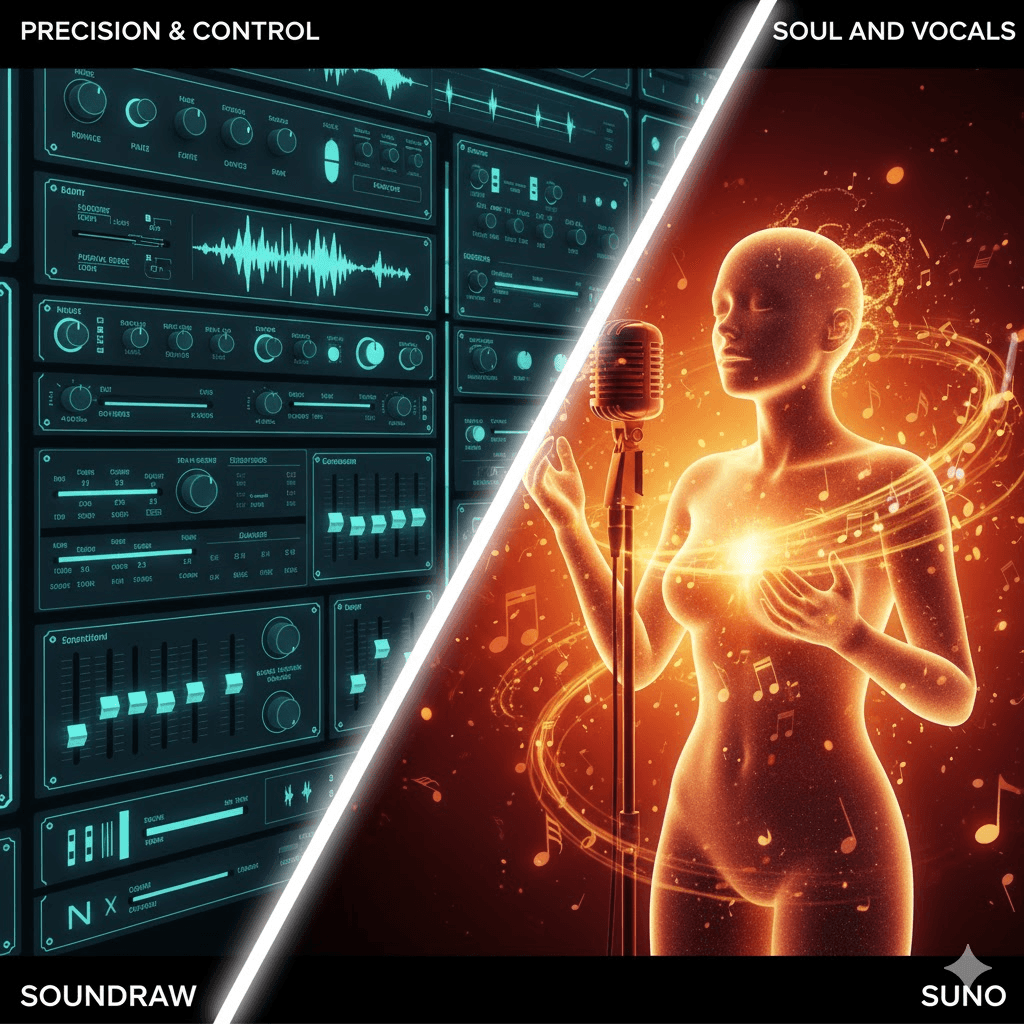
I've spent the last three weeks testing both Soundraw and Suno for my YouTube channel, and honestly? The results surprised me. One platform nearly got me a copyright strike. The other felt limiting in ways I didn't expect.
If you're trying to figure out which AI music generator to invest in, you're probably seeing the same confusing mix of opinions I did. Some creators swear by Suno's vocal capabilities. Others won't touch it because of the ongoing lawsuit. Meanwhile, Soundraw users complain about repetitive outputs despite the premium price tag.
The Short Answer (If You're In a Hurry)
Here's what I learned after using both platforms daily:
Pick Soundraw if:
You need background music for YouTube videos, podcasts, or client work. Yes, it's pricier at $19.99/month, but you get unlimited downloads and granular control over every element. The copyright situation is clearer too (though not perfect more on that later).
Pick Suno if:
You're experimenting with song ideas and want complete tracks with vocals for just $10/month. Great for creative exploration and demos. But here's the thing: the RIAA lawsuit means you probably shouldn't use this for anything you're monetizing right now.
Skip both if:
Copyright safety is your top concern. Beatoven.ai costs less than Soundraw ($6~8/month) and emphasizes ethical AI training. I've also been testing Udio, which offers Suno style vocals with reportedly better audio quality.
Side by Side Overview
| Feature | Soundraw | Suno |
| Monthly Cost | $19.99 (Creator plan) | $10 (Pro) + free tier available |
| What You Get | Unlimited instrumental downloads | 500 songs/month (2,500 credits) |
| Vocals/Lyrics | No (instrumental only) | Yes (AI generated vocals + lyrics) |
| Customization | Extensive (BPM, key, instruments, intensity) | Text prompts only |
| Copyright Risk | Some users report occasional claims | Active RIAA lawsuit pending |
| Best For | YouTube, podcasts, professional content | Songwriting, demos, personal projects |
What I Learned Testing Soundraw for Three Weeks
I signed up for Soundraw's Creator plan ($19.99/month) to generate background music for my YouTube videos. Here's what actually happened.
The Good Parts
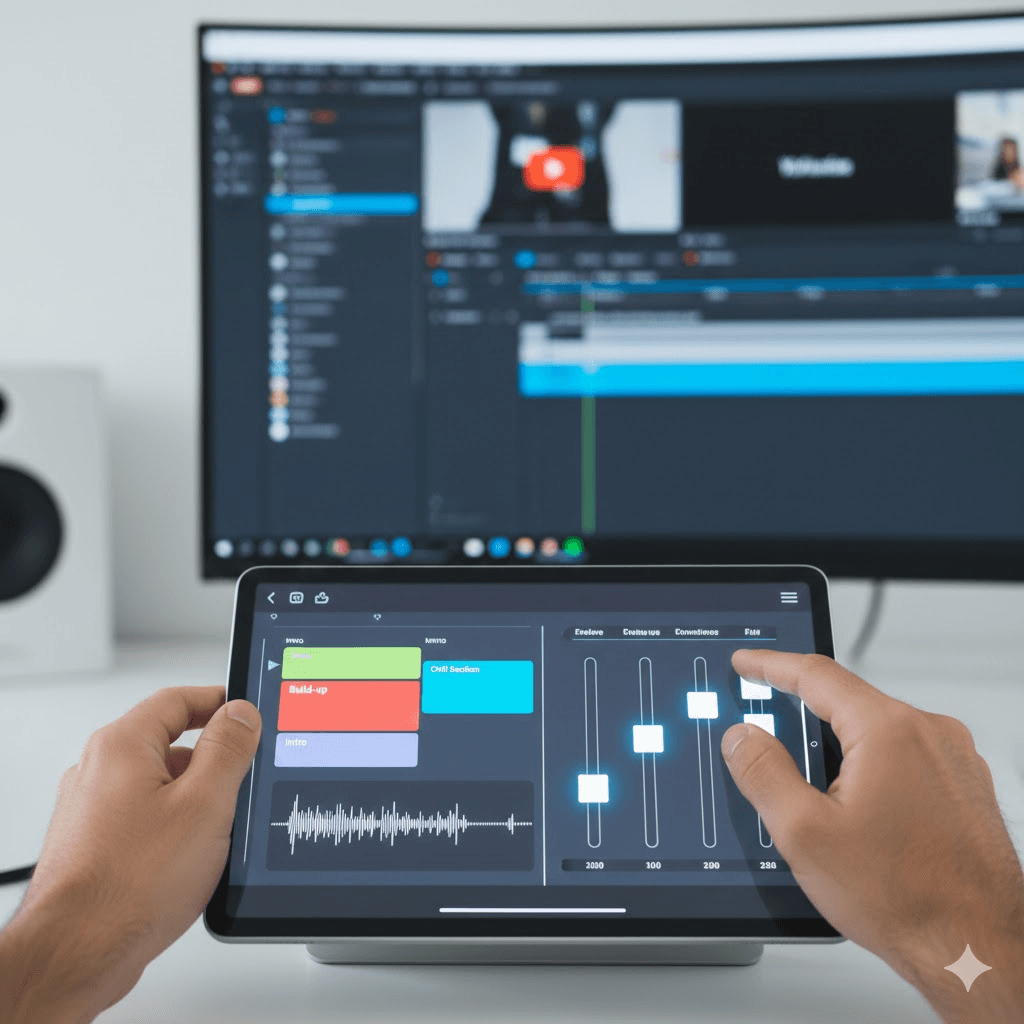
The level of control is impressive.
I could tweak BPM, adjust individual instrument volumes, change the key, and modify intensity bar by bar. For a product review video that needed energetic music in the intro but calmer sections during explanations, this was perfect. I've used stock music libraries before, and Soundraw's customization beats spending 2 hours searching for the right track.
Unlimited downloads actually means unlimited.
I generated 47 tracks in the first two weeks. No caps, no extra charges. For someone publishing 3~4 videos weekly, this matters. Compare that to licensing individual tracks from premium libraries at $30~50 each, and the ROI becomes obvious.
The workflow is genuinely fast once you learn it.
Pick mood and genre, generate 15 options, tweak the best one, download. Start to finish: under 10 minutes. The first few attempts took longer because I was experimenting with every slider, but now it's routine.
The Problems Nobody Mentions
The tracks really do sound similar to each other.
This is the biggest issue I've encountered. When you generate 15 options for one mood/genre combo, they feel like variations of the same composition rather than distinct tracks. I ended up using different moods (Exciting → Chill → Epic) to get more variety across videos. If you're hoping every track will sound unique, you'll be disappointed.
I got a Content ID claim on YouTube.
Soundraw claims their music is safe, and technically they provide documentation to dispute claims. But one of my videos got flagged anyway. I submitted the license documentation YouTube provides, and the claim was released within 48 hours. Not a huge deal, but it's annoying when you're paying specifically to avoid this.
The pricing structure for artists is confusing.
If you want to distribute music on Spotify or Apple Music, you need the Artist plan ($29.99/month for just 10 songs, or $39.99~$49.99 for unlimited). The Creator plan is for background music only. I wish they'd explain this more clearly upfront because I almost subscribed to the wrong tier.
Who Should Actually Use Soundraw
After three weeks, here's my honest take: Soundraw makes sense if you're creating content professionally and need a steady supply of background music. YouTubers, podcasters, video editors this is your use case. The $19.99/month pays for itself if you're publishing regularly.
Don't buy it if you're only making occasional videos, or if you need vocals. The instrumental only limitation is real, and you'll feel like you're overpaying if you're only downloading 2~3 tracks per month.
My Experience with Suno (And Why I Stopped Using It)
I tested Suno's Pro plan ($10/month) for two weeks. The vocal generation is legitimately impressive when it works. But the copyright lawsuit is a real problem that you need to understand before committing money to this platform.
What Makes Suno Different
Suno generates complete songs vocals, lyrics, instrumentals, arrangement from a simple text prompt. Type "upbeat indie rock song about road trips" and you'll get two full tracks in about 30 seconds. This is genuinely novel. No other AI music tool in this price range does vocals this well.
I used it to generate demo ideas for a songwriter friend. We'd describe a concept, listen to what Suno created, and use that as inspiration for the actual composition. For that specific use case creative ideation it's fantastic.
The Copyright Problem You Can't Ignore

Here's why I stopped using Suno for anything I plan to monetize:
The Recording Industry Association of America (RIAA) is suing Suno, alleging the company trained its AI on copyrighted music without permission. The lawsuit mentions potential penalties of $150,000 per violation. This isn't some minor legal hiccup it's a fundamental challenge to how Suno operates.
Now, Suno hasn't lost yet, and individual users aren't being targeted. But think about the risk: if you're monetizing YouTube videos, publishing content for clients, or building a channel do you really want music that might become legally problematic? Even if Suno wins, uncertainty alone is a problem for professional use.
I know creators who've used Suno for personal projects and haven't had issues. But when Epidemic Sound or Artlist provide legal certainty for similar pricing, why take the chance?
The Quality Issues
Songs get repetitive fast.
Suno often loops verses and choruses to fill a full length track. You'll hear the same section 3~4 times with minor variations. For a 2 minute song, it's fine. For anything longer, it becomes obvious and amateurish.
Results are wildly inconsistent.
I'd generate two songs from the exact same prompt. One would be genuinely impressive catchy melody, decent lyrics, passable vocals. The next would sound robotic and off key. There's no way to predict which you'll get, so you end up generating 5~10 variations hoping one works.
You can't really control anything.
Everything happens through text prompts. Want to change the BPM? You have to regenerate and hope the AI interprets your prompt correctly. Need a specific key? Good luck. Coming from Soundraw's granular controls, this felt limiting.
When Suno Actually Makes Sense
Despite the issues, there are legitimate use cases:
- Songwriting ideation and creative exploration (just don't publish it)
- Creating demos to pitch concepts to collaborators
- Personal projects where copyright doesn't matter (family videos, etc.)
- Generating placeholder vocals while you work on production
Bottom line: The $10/month price is attractive, and the vocal generation is genuinely cool technology. But for professional work, copyright uncertainty isn't worth it. Use it for experimentation, not monetized content.
Feature Breakdown: Where Each Platform Actually Wins
Audio Quality & Originality
Soundraw: Consistent professional mixing, but tracks within the same generation feel similar. If you need background music that sounds polished, Soundraw delivers. If you need creative variety, you'll have to switch between moods and genres to avoid repetition. I'd rate the audio quality 8/10, originality 6/10.
Suno: More creative and unpredictable, which is both good and bad. You might get a genuinely catchy melody you'd never have thought of yourself. Or you might get something unusable. Vocal quality ranges from impressive to robotic. Audio quality 7/10, originality 8/10 (when it works).
Ease of Use
Suno wins here. Type what you want, click generate, done. My 65 year old dad could use this. Soundraw requires understanding terms like BPM, key signatures, and musical structure. Not impossible to learn, but there's definitely a learning curve.
That said, Soundraw's complexity becomes an advantage once you know what you're doing. Being able to fine tune every element means less trial and error and more predictable results.
Pricing & Value
This depends entirely on what you're doing:
For content creators: Soundraw's $19.99/month unlimited downloads beat paying $30~50 per track from stock libraries. If you're making 10+ videos per month, it pays for itself.
For musicians experimenting: Suno's $10/month for 500 songs is unbeatable. Even with the quality inconsistency, that's enough generations to find a few gems.
For occasional users: Neither is great. Soundraw has no useful free tier. Suno's free plan (50 credits/day) only works for non commercial use. You're better off buying individual tracks from Envato Elements or AudioJungle.
Copyright & Licensing
This is the most important comparison.
Soundraw's approach: They train exclusively on music produced by their in house team. This theoretically eliminates copyright issues. You get a perpetual commercial license for downloaded tracks, valid even after canceling. The licensing is clear and documented.
The catch: Some users still report YouTube Content ID claims. Soundraw provides dispute documentation, and claims typically get resolved, but it shouldn't happen at all if the music is truly original.
Suno's situation: Active RIAA lawsuit alleging training on copyrighted works. Potential $150,000 per violation penalties. Commercial terms are vague they mention 'general commercial terms' for paid users but don't provide the legal clarity professional creators need.
My recommendation: For anything you're monetizing or publishing professionally, Soundraw is safer. For personal experimentation, Suno is fine. If copyright safety is paramount, consider Beatoven.ai or traditional stock libraries.
Alternatives Worth Considering

If neither Soundraw nor Suno fits your needs, these platforms offer different trade offs:
Beatoven.ai The Copyright Safe Middle Ground
Pricing: $6~20/month
Beatoven emphasizes ethical AI training and clear licensing. It's cheaper than Soundraw while offering similar instrumental generation with mood-based customization. The interface isn't as polished, but if copyright concerns keep you up at night, this is worth testing.
Best for: Content creators who want Soundraw style background music at a lower price with ethical AI practices.
Udio Suno's Main Competitor
Pricing: Free tier + paid plans starting around $10/month
Developed by former Google DeepMind researchers, Udio offers complete song generation like Suno. Many users report better audio quality and clearer vocals. However, it faces similar copyright questions about training data.
Best for: Musicians who want Suno style capabilities with potentially better output quality. Same copyright caveats apply.
AIVA For Film & Game Composers
Pricing: Free tier (3 downloads/month) + $15/month Pro
AIVA specializes in orchestral and cinematic compositions. If you need epic trailer music or game soundtracks, this is purpose built for that. The free tier is actually usable for small projects. Pro plan gives full copyright ownership.
Best for: Film producers, game developers, and anyone needing dramatic orchestral music. Not great for modern/electronic genres.
Mubert For Live Streaming
Pricing: $14/month (Creator plan)
Instead of generating individual tracks, Mubert creates infinite streaming music. Perfect for Twitch streams, podcasts, or any scenario where you need continuous background music. You can adjust your mood on the fly.
Best for: Streamers and live content creators who need adaptive, continuous background music.
How to Actually Choose
After testing both platforms extensively, here's my framework for making this decision:
Choose Soundraw If You:
- Publish content professionally (YouTube, podcasts, client videos)
- Need 10+ background tracks per month
- Want granular control over music elements
- Don't need vocals or lyrics
- Can justify $20/month for unlimited downloads
Choose Suno If You:
- Need complete songs with vocals and lyrics
- Are experimenting creatively (not monetizing)
- Don't mind inconsistent results and trial and error
- Are comfortable with copyright uncertainty
- Want the cheapest option for creative exploration
Skip Both If You:
- Only need music occasionally (buy individual tracks instead)
- Need 100% copyright certainty (use Epidemic Sound or Artlist)
- Want traditional stock music libraries with human composers
- Need specific, niche genres AI doesn't handle well yet
Common Questions About Soundraw vs. Suno
Can I use these for YouTube without copyright strikes?
Soundraw: Generally yes, but I got one Content ID claim that was resolved with their documentation. Most users don't have issues. Suno: The ongoing lawsuit makes this risky for monetized content. Even if you don't get struck immediately, the legal uncertainty isn't worth it for professional channels.
Which one has better audio quality?
Soundraw's instrumental mixing is consistently professional. Suno's quality varies wildly some tracks sound radio ready, others sound amateur. If consistency matters, Soundraw wins. If you're willing to generate multiple versions to find a good one, both can work.
Is Suno legal to use?
Technically, yes, you can use it for personal projects. The RIAA lawsuit challenges how Suno trains its AI, not individual user rights. But the legal uncertainty makes it unsuitable for professional or commercial work where copyright disputes could cost you money.
Can I distribute AI generated music on Spotify?
Soundraw: Yes, with the Artist plan ($29.99 $49.99/month). You keep 100% of streaming royalties. Suno: Their terms mention commercial use for paid subscribers, but specifics are vague. I wouldn't risk it for serious distribution.
What about Udio compared to Suno?
Udio generally produces clearer vocals and better overall audio quality. It's developed by former Google DeepMind researchers. However, it faces similar copyright questions as Suno regarding training data. If you're choosing between vocal generators for experimentation, try both Udio often delivers better results.
Do I need music theory knowledge to use these?
Suno: No. Just describe what you want in plain English. Soundraw: Basic understanding helps. Knowing what BPM means or how keys affect mood makes the customization more useful. But the interface is visual enough that you can learn by experimenting.
My Final Recommendation
After three weeks of daily testing, here's what I'm actually doing:
I'm keeping Soundraw for my YouTube channel. Despite the occasional Content ID claim and the repetitive output, it solves my specific problem: I need professional background music fast, and I need a lot of it. The $19.99/month is cheaper than licensing individual tracks, and customization saves time.
I canceled Suno after two weeks. The vocal generation is cool technology, and I had fun experimenting. But I can't justify paying for something I won't use professionally because of copyright concerns. If the lawsuit resolves favorably and Suno clarifies their licensing, I might revisit it.
I'm also testing Beatoven.ai as a potential Soundraw alternative. At $6~8/month, it's significantly cheaper while offering similar functionality with clearer ethical AI practices. If it proves reliable over the next month, I might switch.